 FORM / FUNCTION
Begin with how the product is used
Describe the experience you want: a single serving, controlled pouring, storage after opening, or a standing shelf display. These answers are more useful than choosing a shape because it is fashionable.
- Contents: powder, granules, solids, liquids, or a combination.
- Target fill quantity and planned filling method.
- Retail shelves, online delivery, or both.
Recognise the physical differences
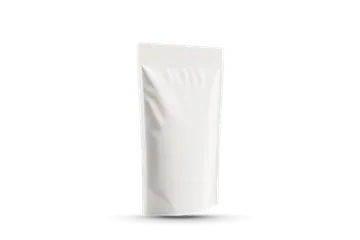
A stand-up pouch uses a bottom gusset to form its base. A flat-bottom pouch has a box-shaped floor and side panels. A sachet remains flat; a spout adds a neck and cap. Compare front and side catalogue views to recognise these differences.
| The need | Begin exploring |
|---|---|
| Standing display | Stand-Up / Flat-Bottom / Side-Gusset |
| Flat packs or portions | Three-Side-Seal / Pillow Pack |
| Dispensing through a cap | Spout Pouch |
Explore this concept: ePac · Stand-up pouch construction ↗
A category name is not a specification
Coffee, vacuum, and retort describe applications. High-barrier describes protection requirements; kraft/paper-look describes an appearance or material. These categories may share a similar body construction. The final choice brings the contents, process, and features together.
Bring two candidates, not one final guess
Shortlist two packaging types that fit your needs. Compare the design area, opening experience, shelf position, and filling requirements. Tell Savora why you chose them so the discussion stays focused on the product you want to sell.
Read the sources.
These sources explain general packaging concepts. Other suppliers’ products, parameters, and services are not Savora specifications or service promises.